
When Children Live with Chronic Fear: Understanding Stress, Safety, and Resilience
Children First: Understanding How Immigration Policy Affects Child Well-Being
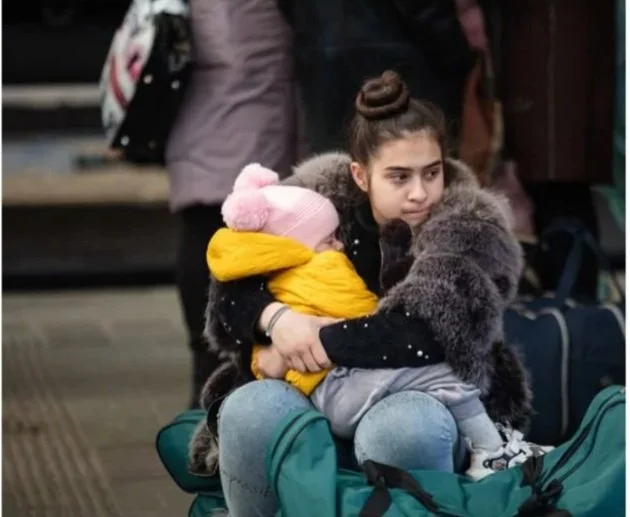
This article is part of CMPRC's series, Children's Well-Being in the Context of Immigration: What Research Tells Us. In the first article, we explored why child development provides an important lens for understanding how immigration policies may affect children. This article examines one of the primary pathways identified in the research: children's exposure to fear and chronic stress.
Children do not need to experience immigration enforcement firsthand to be affected by it. Research suggests that children may experience emotional distress when they witness enforcement activities, hear about arrests or deportations, or worry that a parent or caregiver may suddenly be taken away. Even children whose own families are not directly involved may experience anxiety when classmates, neighbors, or members of their communities experience immigration-related disruptions.
For children, these experiences can create uncertainty about whether the people they depend on will remain present and available. This uncertainty may influence their sense of safety, emotional security, and ability to focus on everyday activities such as learning, play, and relationships.
What Research Shows
Developmental science has consistently demonstrated that children develop best in environments that are safe, predictable, and supported by stable caregiving relationships. When those conditions are disrupted by ongoing fear or uncertainty, children's stress response systems may become activated for prolonged periods.
Immigration enforcement practices—including raids, arrests, detention, and deportation of caregivers—may generate both immediate and ongoing stress for children. These experiences can disrupt daily routines, interfere with caregiving relationships, and contribute to persistent anxiety and emotional distress.
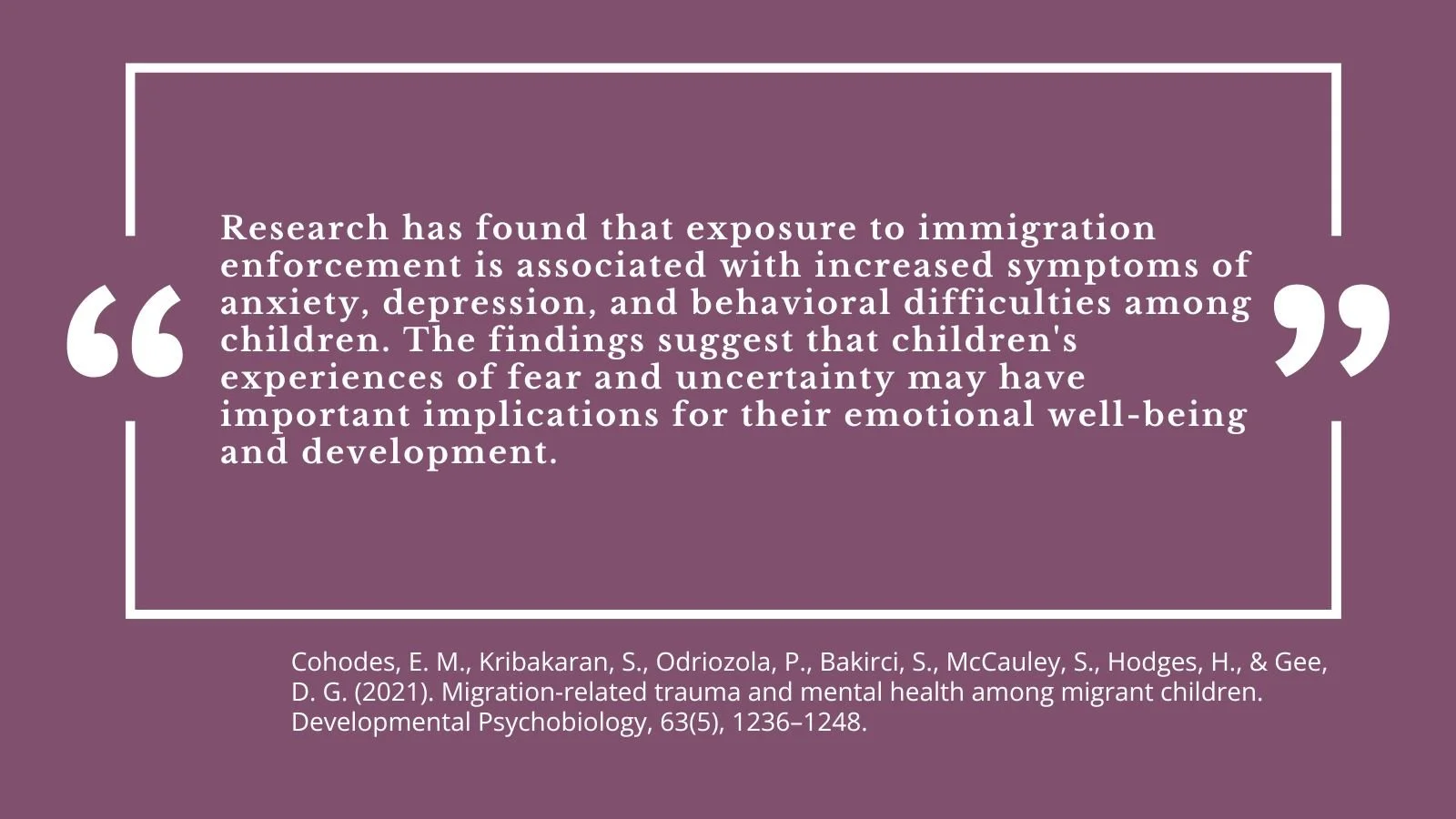
Studies have found associations between immigration enforcement and increased symptoms of anxiety, depression, behavioral difficulties, sleep disturbances, and problems concentrating among children. Children may also internalize the distress experienced by their caregivers, further contributing to emotional and behavioral challenges.
Understanding Chronic Stress

Stress itself is a normal and necessary part of development, and some stress is unavoidable. Children encounter challenges throughout childhood, but these experiences can help build resilience when supportive adults help them navigate those experiences.
Of greater concern is when stress becomes chronic and overwhelming, and children lack the consistent support needed to regulate their emotional responses.
Prolonged activation of children's stress response systems may affect their brain development, immune functioning, and emotional regulation. Researchers have linked these biological changes to increased risks of physical and mental health problems later in life. At the same time, supportive caregiving relationships remain one of the most important protective factors that help buffer children from the effects of chronic stress.
Fear Can Begin Before Birth
The research also suggests that the effects of immigration-related stress may begin before a child is born.
One study found declines in birth weight among infants born to Latina mothers following a large immigration raid in Iowa. Other research reported reduced use of prenatal care and poorer birth outcomes in communities experiencing increased immigration enforcement. These findings suggest that maternal stress associated with immigration-related uncertainty may influence child health even during pregnancy.
Why This Matters
Children often express stress differently than adults.
Some may become withdrawn or anxious. Others may demonstrate changes in sleep, concentration, behavior, or school performance. These responses are not necessarily signs of defiance or poor motivation. Instead, they may reflect children's efforts to cope with ongoing uncertainty.
For professionals working with children, understanding how chronic stress affects development can support more informed assessment and decision-making. Recognizing the importance of stable relationships, predictable routines, and supportive environments helps place children's behaviors within an appropriate developmental context.
Research Spotlight
Looking Ahead in This Series
Fear and chronic stress are only one of the pathways through which immigration policy may influence children's well-being. In the next article in this series, we will examine another foundational concept in developmental science: why stable caregiving relationships matter and what attachment research tells us about the effects of family separation.